No infrastructure is permanent, but it's up to us
Last post that I have to write off my phone! At least I'm not writing from a plane seat this time. But the heat index is close to 100F, save me
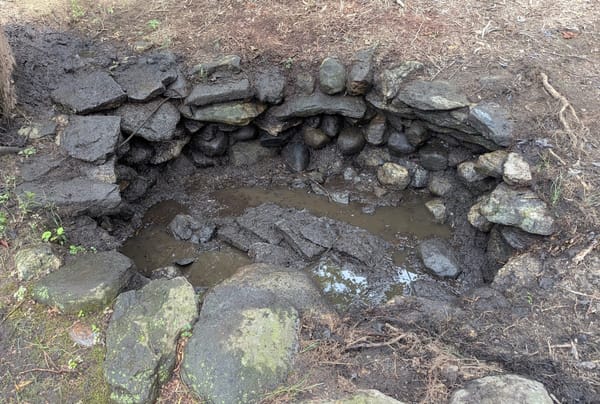
Today, the primary thought in my head is "aging infrastructure". In the software world that we data folks typically live in, old infrastructure is usually an undesirable description. Old systems have tech debt. They don't work in the ways we would want them to. We have to slather on weird, unnatural hacks to adapt to modern use cases. But the cost of refactoring or migrating to a new system is very high so it's something that we are very deliberate about.
Meanwhile, this trip I've been on has been the first vacation I've taken in at least three years, and the first time in about eight years that I've had the opportunity to return to spots in East Asia like Tokyo and Shanghai. While all cities change constantly. Having such a significant gap really let me notice what things changed in the cities.
As an example, the first time I visited Shanghai was over a decade ago and since then they had completely banned 2-stroke motors from ever-present mopeds and maybe more than half the cars I see on the roads have the green license plate for electrified vehicles now. As a result the air quality had massively improved and building facades stopped looking like they're constantly weeping from the rain washing air pollution down.
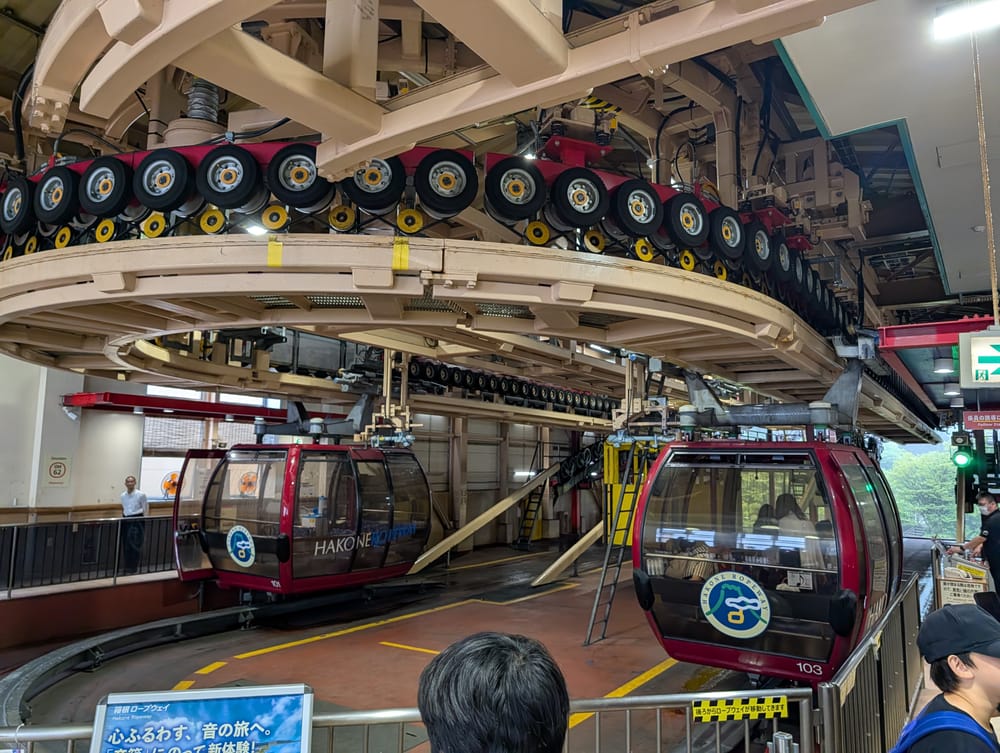
At the same time, train lines and attractions that were absolutely brand new now have a decade of wear and inevitable grime on them and you can notice the subtle priorities of where owners and managers direct staff to clean and maintain things.
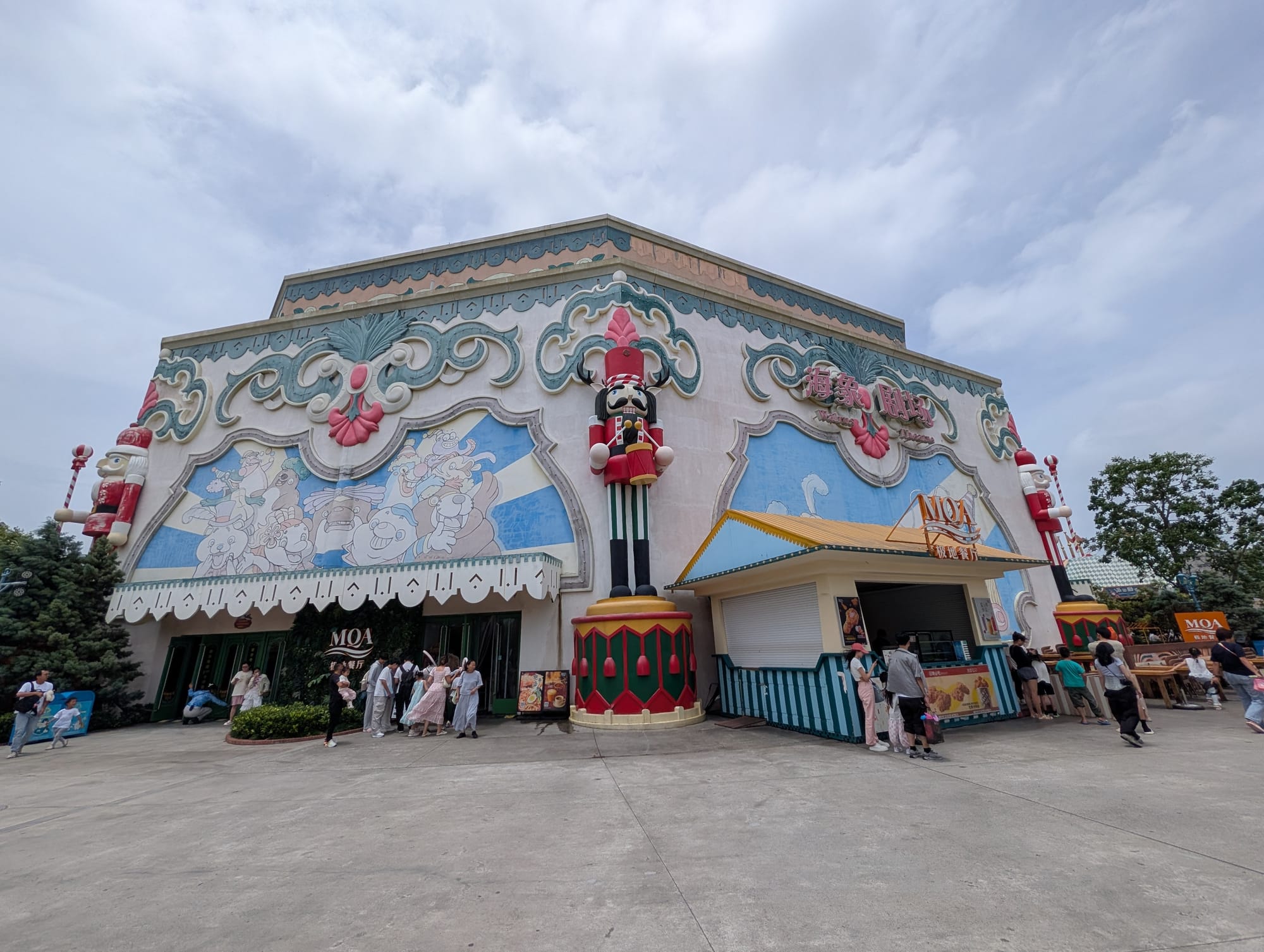
The rest of the central bits of Shanghai at the zoomed out grid level hasn't changed because the rapid expansion and construction has long moved to the outer edges. So there's been over a decade of people living their lives and adapting the existing urban infrastructure to their needs by making limited renovations and private reconstruction. Everything looks a bit worn unless someone has the money and motivation to make things shiny, and few people have that energy.
In Tokyo, where the city itself has been long established, the biggest change has had nothing to do with the hard infrastructure. Instead over the course of visiting over 20+ years, I've seen the country move from no one really speaking anything but Japanese anywhere to having immigrant staff that can speak English (via Indian immigrants), Chinese, and Korean in all sorts of stores all around. It's a response to the massive tourism wave that had hit the country since COVID-19.
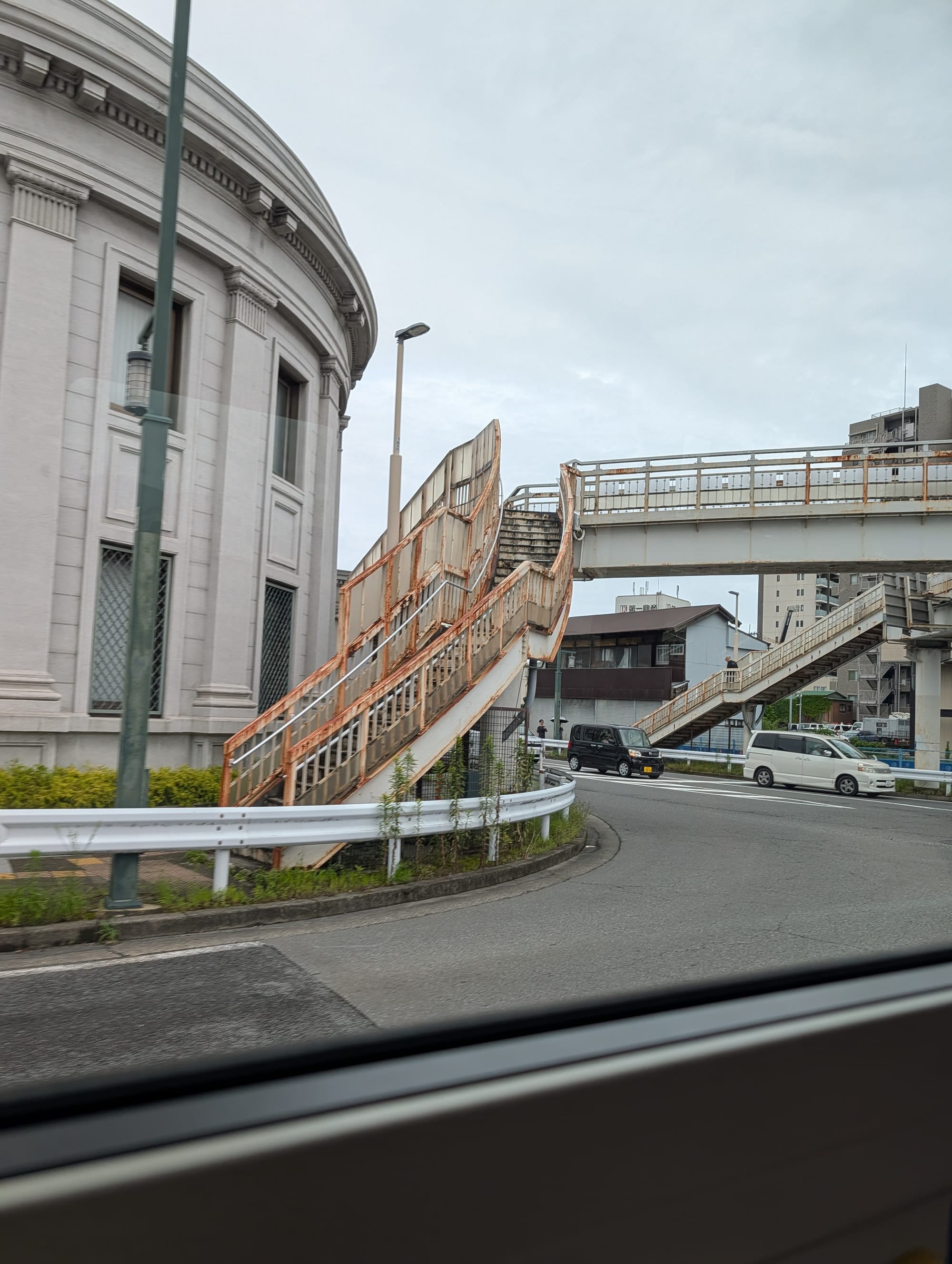
Throughout all this trip, I see people just approaching the infrastructure in their lives like anyone else would – by making it work for them as best they can. What else can they do since none of the individuals have the power to actually do anything about these things that are bigger than them. Even if it would be really convenient to have a drug store/convenience store at a particular street corner, the people living around that spot have limited influence on the decision to construct a building there, or to establish a storefront there.
I think many of us default to a similar way of thinking when it comes to our infrastructure. We have our busy lives and work to do already, so the only things we do involving infra is cleaning and maintaining the bits that are specifically important to us. The bridges and doorways we use get fixed when they fall apart with age. The bits we dont use can rust away – it's the official designer and maintainer 's problem. We just live within the gaps of the infra. If we notice the broken bits at all, we at most wonder what the original creators were trying to do creating that unused bridge to nowhere.
For those with interest in infrastructure itself, the same landscape presents completely differently. As "good infra designers" we don't want to waste effort building expensive overpass bridges that few use and no one cares to maintain. We think of it as a failure of foresight, a stain on our ability to appear omniscient. We should have anticipated that the preferred data analysis path should have gone through Snowflake instead of Hadoop, except Snowflake didn't exist then so how could we? We can't exactly delay every technical decision indefinitely. Work must be done today so we pick the best we can now and leave it for those that come after us to change things as they go.
That sentiment of "the people who live there make incremental changes to the infranto suit their needs" is how urban infrastructure eventually plays out. Even if there's a lack of funding and no political will for major changes, people will make the tweaks and changes to what exists to make their lives work. Signs get put up to route around stupid navigation issues. Buildings are demolished or renovated as new tenants move into a space. The occasional big outside initiative like a ban on inefficient gas engines force a string of changes throughout society and it's construction. Add up all these changes over a decade and an entire city can appear different from what it used to look like.
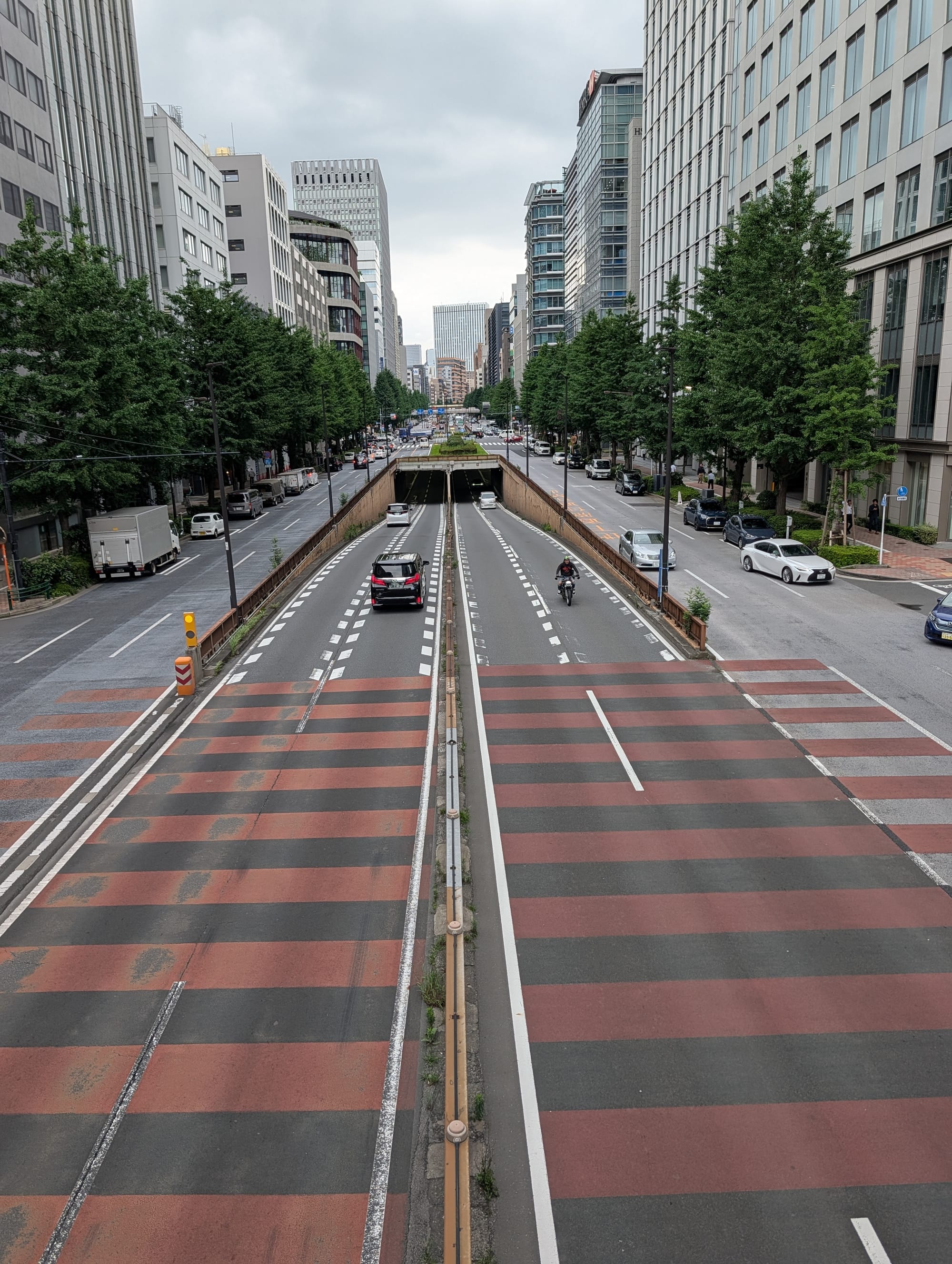
I'm betting that you think you're running on old infrastructure right now. Everyone else is. But we live in a world where it's never been easier to write code to work with, around, or downright replace, any piece of infrastructure that exists. We work in software, where it doesn't take special equipment and a few tons of concrete and steel to make changes.
If people can take buildings that kn the outside that look worn, dirty, and completely the wrong shape and size for the existing use and completely renovated the inside to be comfortable, clean, and cheerful, then we can make our data infrastructure better in bits of unplanned pieces too. Urban planning usually falls to pieces when it tries to overspecify too many small details without being able to anticipate all the small details that people living there need. The solution is for people on the ground to figure out the details as they go. That broad structure applies to our digital infra lives too
Go and fix that pesky data export feature, even if it means wrapping the existing one in a sane interface. Go denormalize some of that clunky analysis table schema because who's got time for 3NF. Go propose that system everyone hates be replaced now that everyone has an idea of what they want to do with the system now instead of what the designers imagined back when it was specified.
Then when all that is done. Turn around in a couple of years and realize the "city" you worked in has changed for the better.
Standing offer: If you created something and would like me to review or share it w/ the data community — just email me by replying to the newsletter emails.
Guest posts: If you’re interested in writing something, a data-related post to either show off work, share an experience, or want help coming up with a topic, please contact me. You don’t need any special credentials or credibility to do so.
"Data People Writing Stuff" webring: Welcomes anyone with a personal site/blog/newsletter/book/etc that is relevant to the data community.
Counting Stuff Official Forums: Discuss posts, or other data topics with the community.
About this newsletter
I’m Randy Au, Quantitative UX researcher, former data analyst, and general-purpose data and tech nerd. Counting Stuff is a weekly newsletter about the less-than-sexy aspects of data science, UX research and tech. With some excursions into other fun topics.
All photos/drawings used are taken/created by Randy unless otherwise credited.
Supporting the newsletter
All Tuesday posts to Counting Stuff are always free. The newsletter is self hosted. Support from subscribers is what makes everything possible. If you love the content, consider doing any of the following ways to support the newsletter:
- Consider a paid subscription – the self-hosted server/email infra is 100% funded via subscriptions, get access to the subscriber's area in the top nav of the site too
- Send a one time tip (feel free to change the amount)
- Join the Approaching Significance Discord — where data folk hang out and can talk a bit about data, and a bit about everything else. Randy moderates the discord. We keep a chill vibe.
- Get merch! If shirts and stickers are more your style — There’s a survivorship bias shirt!